Coffee Machine for Your Cafe: 3 Checks Before Buying
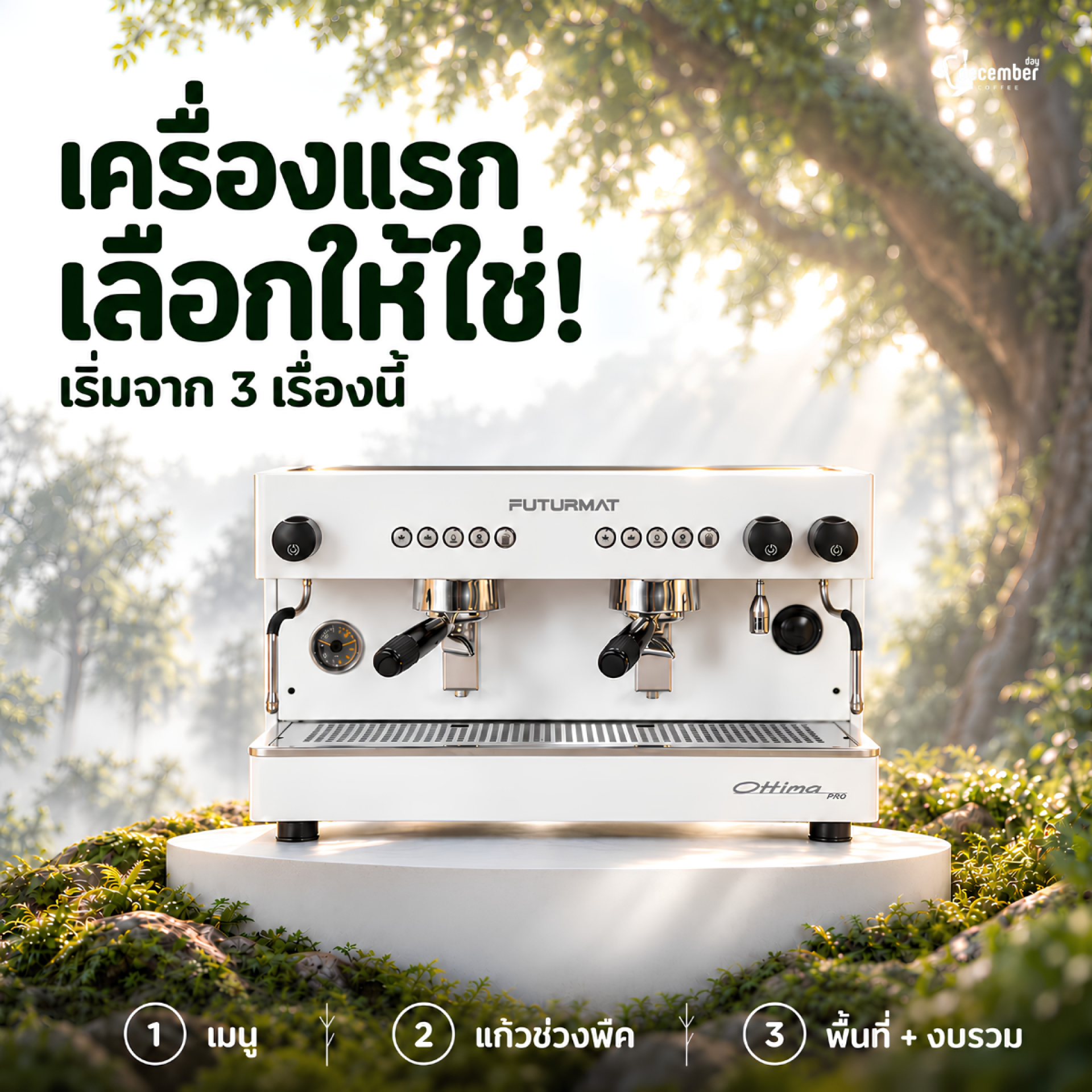
Choosing a coffee machine for your cafe starts with three things: your menu, peak-hour orders, and the space and budget for the complete setup. Clear answers make it easier to compare models and identify the costs you need to plan for before opening.
Your first machine will be part of everyday bar service, from grinding and pulling shots to steaming milk and handing over drinks. Use this guide to discuss your actual workflow with a supplier before deciding on a model based on its appearance or price.

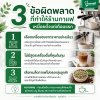
1. Choose a coffee machine for your cafe around the menu
List your main drinks and estimate the share of each category. A shop serving mostly Americanos has different milk-steaming demands from one preparing many hot lattes and cappuccinos. Test the equipment using drinks that reflect your planned menu.
- Black coffee: Test consecutive espresso shots and how comfortably you can follow your recipes.
- Hot milk drinks: Try steaming milk while preparing coffee. Assess ease of use and recovery under the workload you expect.
- Iced drinks, tea and other beverages: Plan ingredient, ice and preparation stations alongside the coffee area.
Bring your intended cup sizes, recipes and coffee beans to the discussion. Shots per drink and preparation steps affect service time. Consider the grinder together with the espresso machine so the whole setup supports your workflow.
2. Assess peak-hour orders before choosing group heads
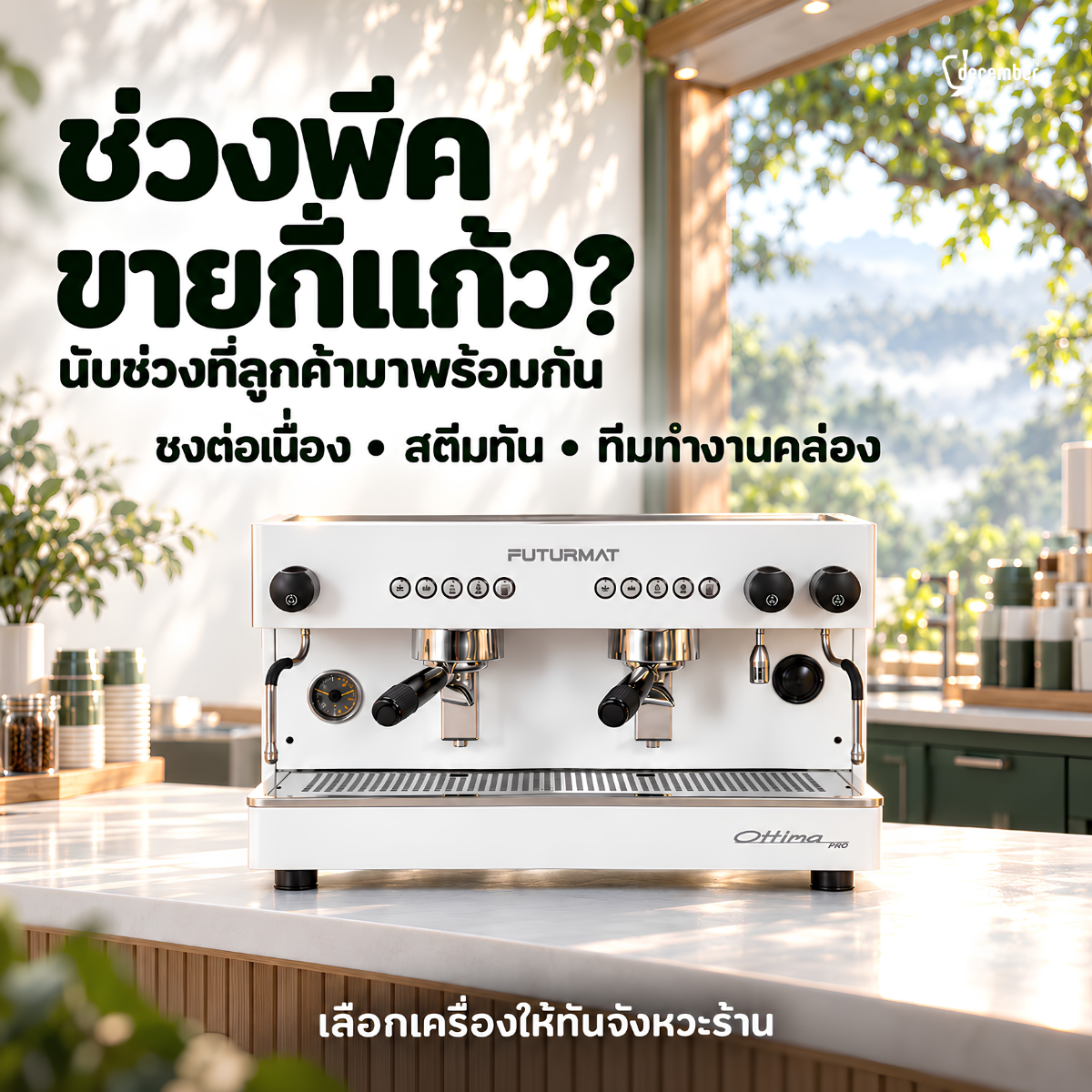
Daily sales are useful for business planning, but equipment also needs to handle busy periods. Orders spread throughout the day create a different workload from a morning rush, even when the daily total is similar.
A planning example: If you expect 20 drinks in 30 minutes, you need to hand over roughly one drink every 90 seconds on average. This describes the required service pace, not the rated capacity of any machine. Actual orders may arrive several at a time.
Before buying, simulate a mix of black coffee and milk drinks with the number of staff you expect to have. Watch where delays occur: grinding, extraction, steaming or assembling drinks. This helps you assess both the equipment and the bar layout.
What to bring to an equipment demonstration
- Expected orders during the busiest 15 to 30 minutes.
- The mix of black coffee, hot milk drinks and other beverages.
- The number of baristas working at the same time.
- Shots per drink and whether orders come from walk-ins, delivery or both.
Group-head count is only one factor. Evaluate the specific machine's system, sustained workflow, grinder and working space together. Ask the supplier to confirm the specifications of the model under consideration.
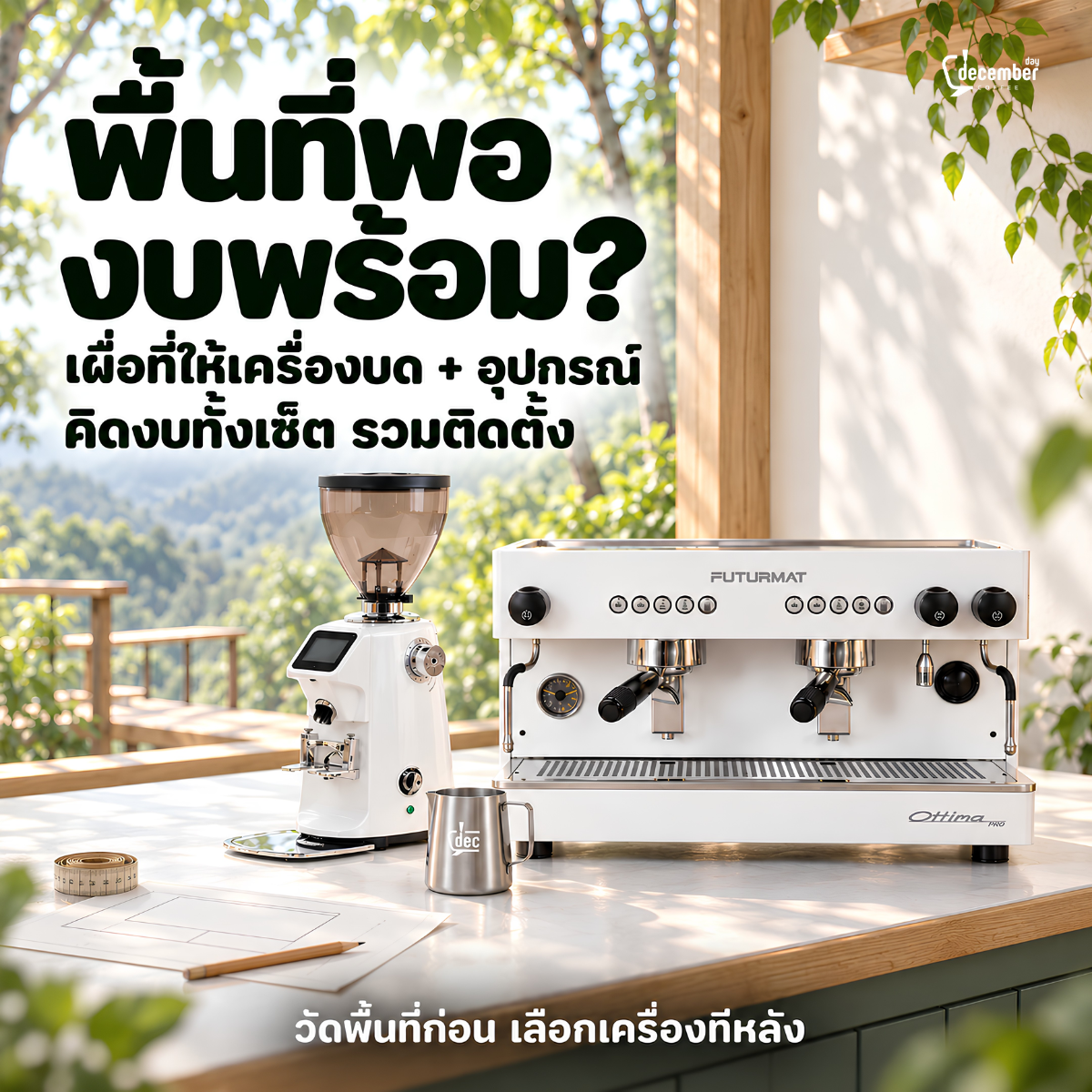
3. Check the installation space and total setup budget
Measure the counter's width, depth and height. Allow space for the grinder, accessories and cleaning. Photos of the counter and the area underneath will help the installation team assess the site.
Prepare the space for everyday use
- Counter: Check dimensions and load capacity against the chosen equipment.
- Electricity: Have a qualified technician assess the supply against the actual model's requirements.
- Water: Check the water supply, drainage and filtration space against the manufacturer's requirements.
- Workflow: Arrange grinding, brewing, steaming and handover stations for convenient use.
- Maintenance: Leave access for cleaning and servicing.
Budget for more than the espresso machine
Separate the costs of the machine, grinder, water filtration, bar accessories, installation and site preparation. Keep funds for ingredients and working capital as well. An itemised quotation makes equipment packages easier to compare.
Ask whether tax, delivery, installation and operating guidance are included. Confirm warranty terms, service charges and after-sales arrangements in writing before purchasing.
Browse our coffee machine sets, then discuss the options using your shop's requirements.
A checklist for your first cafe coffee machine
Prepare these details for your supplier. If sales are not yet known, label the figures as estimates so you can review the assumptions together.
- Shop format and main customers: __________
- Main drinks and cup sizes: __________
- Expected orders in the busiest 30 minutes: __________
- Number of staff behind the bar: __________
- Counter dimensions and installation photos: __________
- Budget for the machine and supporting equipment: __________
- Planned opening date: __________
Still defining your concept? Read our guide to customers and coffee shop formats (Thai) before selecting equipment.
Frequently asked questions
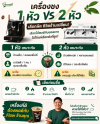
Should a new cafe choose one or two group heads?
Consider peak demand, the menu, staffing and the performance of the specific model together. Test a realistic sequence of drinks before deciding. Daily cup totals alone are not enough to determine the right choice.
Should I choose the espresso machine or grinder first?
Plan them as a complete setup from the start. Consider your recipes, workload and total budget, and allow enough space to use both comfortably.
How do I choose when I do not know my sales yet?
Start with your format, customers and menu. Estimate normal and busy periods separately, then discuss and test those assumptions with your supplier to understand limitations before investing.
What information is needed for a quotation?
Send your main menu, estimated peak orders, total equipment budget, counter dimensions and site photos. Include the installation location so the team can clarify the equipment and scope of work.
Plan your cafe setup with Decemberday Coffee
Decemberday Coffee provides coffee shop consultation, espresso machines, grinders, coffee beans, ingredients, training courses and machine repair services to support your setup from the beginning.
Have a menu, budget or photos of your space? Send them to our team. We can use your requirements to recommend an equipment setup and prepare a quotation for you to review.
Discuss your setup / Request a quote on LINE
LINE: @decemberdaycoffee
Choose your first machine around the work it needs to do: clarify the menu, understand peak demand, and plan the space and complete equipment budget before selecting a model.